Werribee sits in the City of Wyndham with many brick veneer and older weatherboard homes built between the 1970s and 1990s. These properties often feature masonry chimneys that serve wood heaters during the cooler months after warm summers. Dampers in these chimneys commonly seize from soot buildup mixed with the area's moderate humidity, allowing drafts that raise heating costs and let embers escape when the heater is lit.
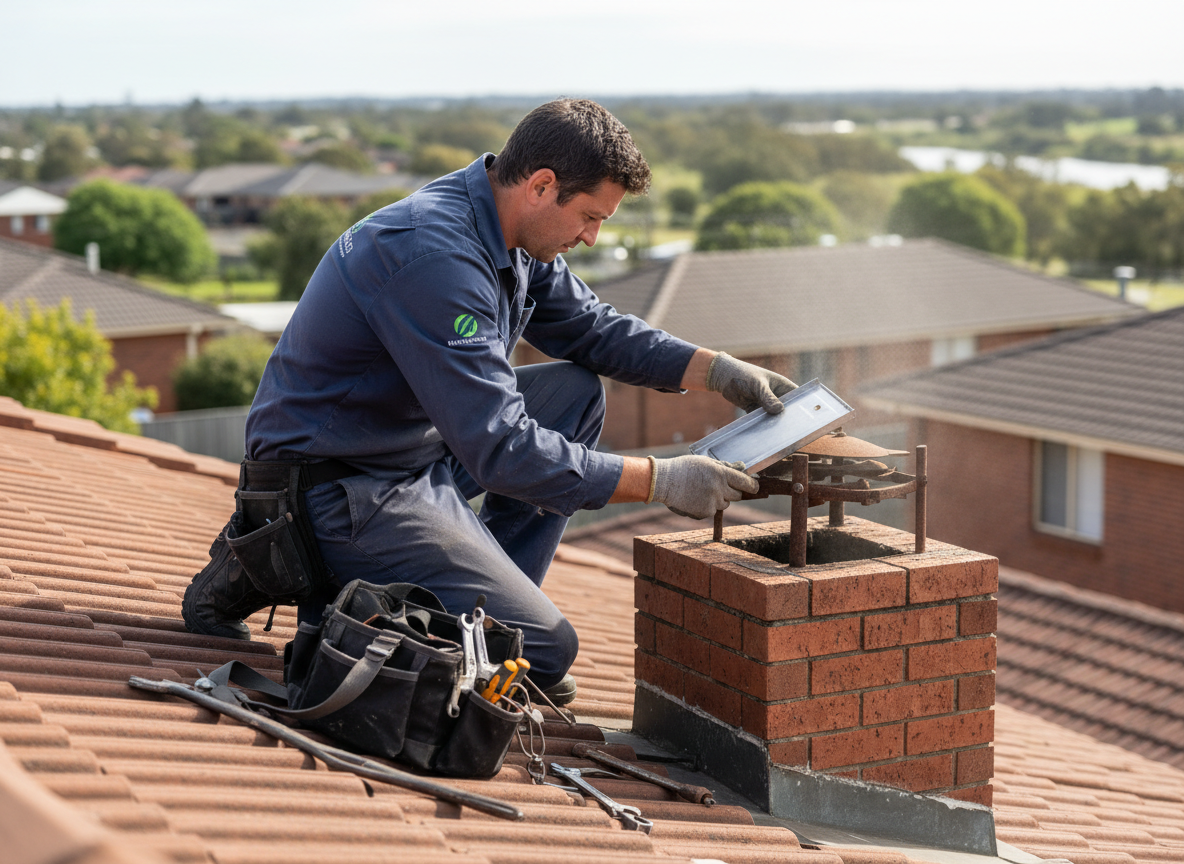
Repair work here usually starts with checking the damper plate, pivot rod and seal from the firebox side. In neighborhoods like Tarneit and Wyndham Vale, roof access can be complicated by low-pitch metal roofs and nearby trees from Werribee Park. Technicians carry replacement stainless plates and high-temperature gaskets because original cast-iron dampers crack after years of thermal cycling in the local temperate conditions.
Homeowners in Riverbend and Hoppers Crossing sometimes attempt DIY fixes with aerosol lubricants that only worsen soot adhesion. Proper repair requires removing the plate, cleaning the flue throat and fitting a new damper that closes fully to meet the draft requirements expected in Victorian homes. Skipping this step often leads to repeated callouts once winter arrives.
Common Local Triggers for Damper Failure
Homes near Werribee South and Wyndham Vale experience more damper issues after strong northerly winds carry fine soil into flues. The combination of dust and condensation during warm summers accelerates rust on pivot points that then bind when temperatures drop.
Technician insight
In Werribee the thing that catches most people out with chimney damper repair is how quickly the pivot rod seizes in older brick chimneys once the fine red soil from Wyndham Vale gets in during our warm summers. Homeowners in Tarneit often try to force the handle and bend the rod, which turns a simple clean-and-replace into a full throat rebuild.
Stuck Damper on Weatherboard Home in Riverbend
The owner reported smoke backing into the living room on cold nights. Inspection showed the cast damper plate had rusted through at the pivot and was wedged half-open. We removed the plate through the firebox, fitted a new stainless unit with a high-temperature seal and tested closure from inside. The heater now draws correctly with no draft loss.
How it works
- 1
Initial Inspection
Access the firebox and flue throat to assess damper movement and check for cracks or missing seals in Werribee homes.
- 2
Component Assessment
Measure the existing plate and rod, note roof pitch and any obstructions common on Tarneit properties.
- 3
Repair or Replacement
Clean the throat, install stainless replacement parts and ensure the damper seats fully without binding.
- 4
Final Testing
Operate the control from inside the home and confirm no smoke spillage before leaving the site.
Pricing
Cost depends on roof access, chimney height and whether the original damper can be repaired or needs full replacement; quotes provided on site.